6 Min Read
Many Toronto homeowners assume the choice is straightforward: renovate if you want to save money, rebuild if you want a clean slate, or add on if you simply need more space. In practice, the best answer is rarely that neat.
The right path depends on what the house can support, what the lot will allow, and what kind of home you ultimately want to live in.
This guide explains how to compare renovations, additions, and rebuilds in Toronto, including cost, zoning, heritage, performance, timelines, and the practical questions worth asking before the project moves too far forward.
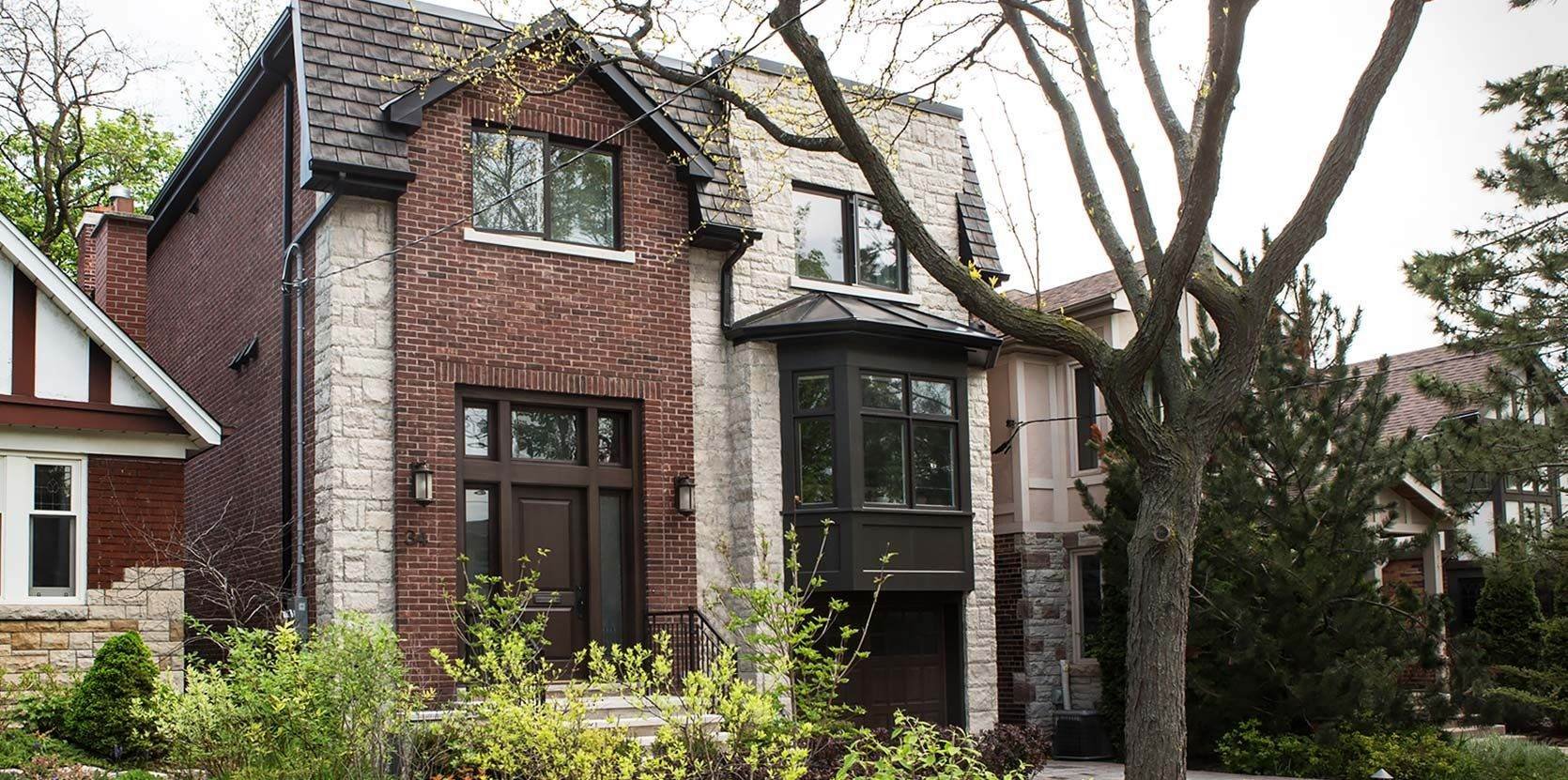
Table of Contents
- Home Additions vs Renovations vs Rebuilds in Toronto
- How to Choose Between a Renovation, Addition, or Rebuild
- The Budget Reality: Major Renovations Can Approach Rebuild Costs
- Toronto Lots and Approvals Can Make Rebuilding More Complicated Than Expected
- The Existing House, Heritage, and Streetscape All Matter
- Performance Goals May Favour Rebuilding
- Timelines Are Often Closer Than Homeowners Expect
- When Each Path Tends to Make Sense
- Choosing With Confidence, Not Assumptions
Home Additions vs Renovations vs Rebuilds in Toronto
A renovation works within the existing house. That could mean a relatively contained interior update, or a whole-home renovation involving structural changes, new mechanical systems, upgraded insulation, revised layouts, restored details, new finishes, and carefully coordinated construction throughout the home.
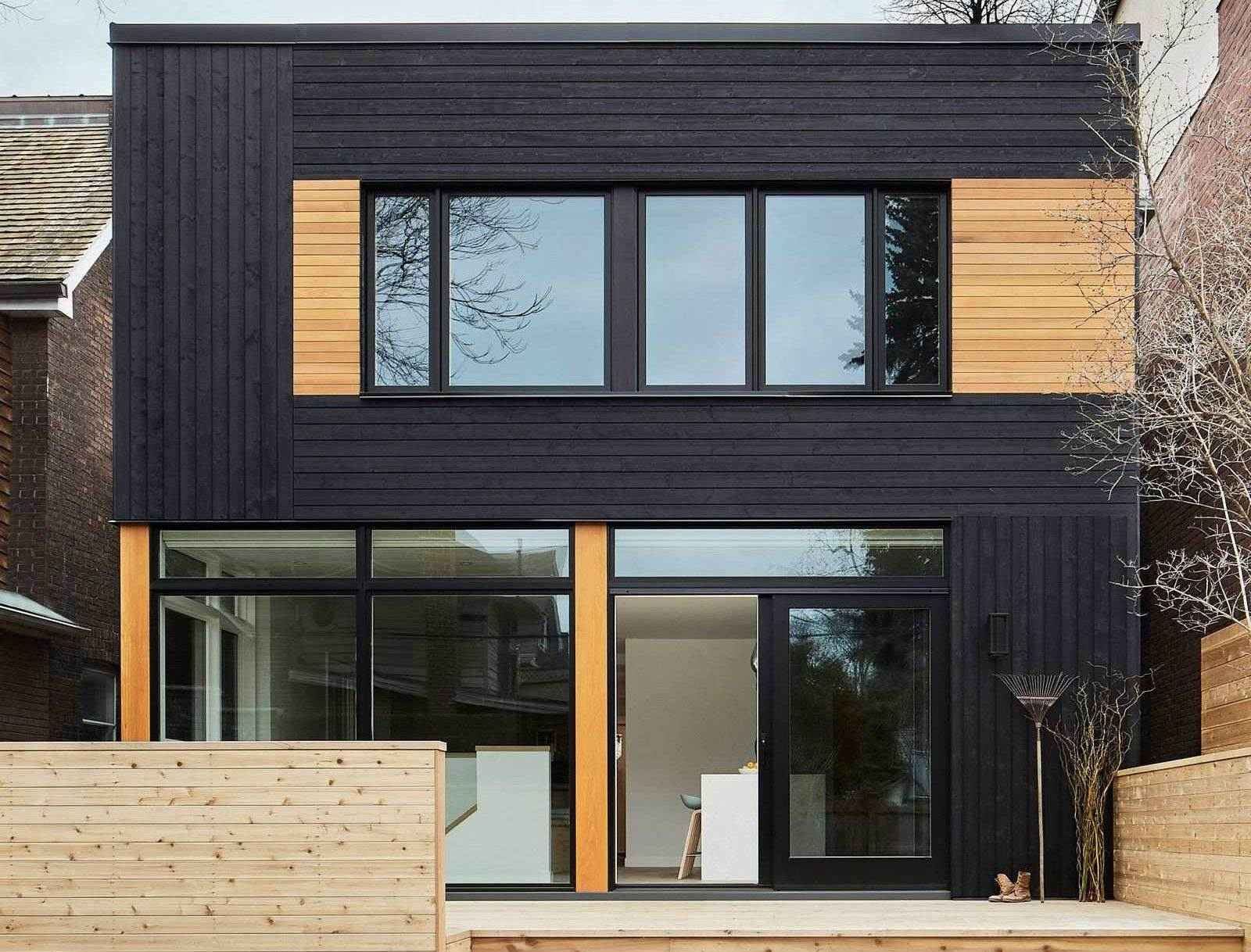
An addition expands the house. In Toronto, that often means building toward the rear because lots are narrow. It may also mean adding a second-storey addition where the existing structure and Toronto approvals allow it.
A rebuild starts again. The existing house is demolished, and a new custom home is built on the lot. For some properties, that can be the cleanest way to achieve the desired layout, energy performance, and architectural expression.
The right path is not always the most obvious one.
How to Choose Between a Renovation, Addition, or Rebuild
The right choice depends less on the label and more on the conditions around the project: your goals, the existing house, the lot, the approvals, the desired level of performance, and the budget. In Toronto’s established neighbourhoods, those factors can quickly shift the answer.
1. What are you trying to solve?
Start with the real objective. Is the issue space, light, layout, ceiling height, energy performance, aging systems, entertaining, family life, accessibility, or long-term value?
A renovation may solve a layout or finish problem. An addition may solve a space problem. A rebuild may be more appropriate when the desired home is fundamentally different from the one currently on the lot.
2. Is the existing house worth preserving?
Some homes have proportions, brickwork, façades, staircases, millwork, or streetscape presence that are worth retaining. Others have been altered so heavily, or built so poorly, that preserving them creates more compromise than value.
3. What will the lot and zoning allow?
In Toronto, the existing house may occupy a footprint that would not be approved today. If a wall sits close to the lot line and is demolished, it may not be possible to rebuild in the same location. That can make renovation or addition more practical than a full rebuild, depending on how local approvals and regulations affect the project.
4. How much work is actually required?
A light renovation is not comparable to underpinning, full gutting, structural steel, rear additions, new mechanical systems, and a new envelope.
5. How important is building performance?
If the goal is a very airtight, highly insulated, high-performance home, rebuilding your Toronto house often has an advantage. Older homes can be improved significantly, but they may require more intervention to reach the same standard.
6. What does the budget support?
The best answer is the one that aligns the desired outcome with a realistic investment. Early builder input helps determine if the project should be framed as a renovation, addition, or rebuild.
SevernWoods helps homeowners make that decision early, before design, budget, and expectations drift apart. Our role is to bring practical construction insight to the table. We help clarify what the house can support, what the lot will allow, and what level of investment is likely required to achieve the home you want.
The Budget Reality: Major Renovations Can Approach Rebuild Costs
One of the most common misconceptions is that renovating will cost dramatically less than building new.
Sometimes it will. A focused interior renovation, kitchen renovation, or contained main-floor reconfiguration is very different from a full architectural transformation. But when a project involves underpinning, full interior gutting, structural changes, rear additions, a new third floor, new services, new windows, new insulation, and a complete rebuild of the interior environment, the numbers begin to converge.
That is often the surprise. The cost to renovate a house in Toronto can range from $250 to $500+ per square foot. At the high end of the range, that can overlap with the cost to rebuild a house in Toronto, particularly when the existing home requires major structural, mechanical, and envelope work.
The cost of a home addition in Toronto is similarly variable. A modest rear extension is not the same as a multi-level addition involving basement excavation, structural steel, exterior envelope work, and careful integration with the existing home.
The comparison is not as simple as “renovation is cheaper, rebuild is more expensive.” On ambitious projects, the more useful question is if the existing structure is helping the final outcome, or if it is forcing compromises that a new build would avoid.
SevernWoods’ Toronto Custom Home and Renovations Cost Guide offers a more detailed look at real-world budget ranges before drawings or detailed pricing begin.
Toronto Lots and Approvals Can Make Rebuilding More Complicated Than Expected
In central Toronto, the lot often has as much influence as the house.
Many older homes were built close to their side lot lines. In some cases, a wall may sit only a foot or so from the property line. That existing condition may be allowed to remain because it is already there. If the house is torn down, however, that same wall may not be permitted in the same location under current setback rules.
That can materially change the rebuild conversation.
On a Toronto lot, demolition can also remove the very condition that made the existing house valuable: its footprint. If a new home must be set farther in from the lot lines, the replacement house may be smaller or configured differently than expected.
Approvals can also influence the best path forward. A rear addition, second-storey addition, new third floor, or full rebuild may trigger zoning review, minor variances, committee of adjustment, heritage review, or urban forestry considerations. The preferred design may still be achievable, but it should be tested early so the scope, budget, and schedule reflect the approvals process.
This is one reason major renovations are sometimes the more practical path. Preserving portions of the existing structure can help maintain usable volume, streetscape continuity, or the building's position, which would be difficult to recreate through a new build.
The Existing House, Heritage, and Streetscape All Matter
The character and condition of the existing home should carry real weight. Some Toronto houses are worth preserving because they contribute to the street, with handsome brickwork, strong proportions, original millwork, gracious stairs, or a façade that belongs to the character of the neighbourhood. Others have been altered so heavily, or built so poorly, that preserving them creates more compromise than value.
A major whole-home renovation in Toronto may make sense when the house has enduring architectural value and the desired improvements can be achieved without fighting the structure at every turn.
In some neighbourhoods, particularly areas such as Rosedale, heritage expectations or formal heritage review may also affect what can be changed. For homeowners planning work on older Toronto properties, Heritage Conservation Districts and heritage designations can significantly influence design decisions, approvals, and project timelines.
Performance Goals May Favour Rebuilding
There are circumstances where rebuilding has a clear advantage.
If the goal is an exceptionally high-performance home, new construction is often simpler. It is generally easier to design and build a new envelope with high insulation values, strong air tightness, careful thermal detailing, and fully coordinated mechanical systems than it is to bring an older brick house to the same standard.
Older homes can absolutely be improved. They can be made more comfortable, more efficient, and more durable. But the level of intervention required should be understood. Existing masonry, framing, foundations, rooflines, window openings, and structural conditions can limit what is practical.
For some clients, the architectural character of the existing house is worth those constraints. For others, performance, layout, and long-term simplicity make rebuilding the more suitable path.
Timelines Are Often Closer Than Homeowners Expect
A comprehensive whole-home renovation in Toronto often takes 12 to 18 months, depending on structural scope, permitting timelines, site conditions, and finish complexity.
A rebuild is not automatically faster. It still requires design, approvals, demolition, excavation, foundation work, framing, envelope construction, mechanical systems, finishes, inspections, and closeout. Both paths may also involve zoning review, minor variances, committee of adjustment, urban forestry considerations, or heritage review.
The better question is not which path is theoretically faster. It is which path offers the most direct route to the home you actually want, given the specific property.
When Each Path Tends to Make Sense
A renovation often makes sense when the existing home has architectural value, the footprint is worth preserving, and the desired improvements can be achieved without excessive compromise. This is often the case when the house contributes to the street and the work is focused on improving layout, comfort, systems, finishes, and performance.
An addition often makes sense when the house works in many ways but needs more space, light, or a better connection to the rear of the property. In Toronto, that may mean a rear addition, basement expansion, second-storey addition, or carefully planned third-floor addition, depending on the lot, structure, approvals, and what goes into expanding a home successfully.
A rebuild often makes sense when the existing structure limits the outcome, when performance goals are difficult to achieve through renovation, or when the lot and approvals support a new custom home without giving up too much buildable area.
The important step is to test the preferred path before design advances too far. SevernWoods' process is built around early alignment: clarifying goals, understanding constraints, reviewing budget, coordinating permits, and tendering to trades so the scope is grounded before construction begins.
Choosing With Confidence, Not Assumptions
The decision to renovate, add, or rebuild should not begin with a preferred label. It should begin with a careful understanding of the house, the lot, the approvals, the budget, and the life the homeowner wants the finished home to support.
SevernWoods helps homeowners evaluate those options without pushing the project in one direction. Our role is to bring construction insight, budget realism, and practical sequencing to the conversation early, so the design direction is grounded before too much time or investment is committed.
Contact us today to discuss your goals and vision.