8 Min Read
Toronto’s older homes carry a kind of intelligence. Their proportions, materials, porches, staircases, brickwork, and narrow-lot siting often reveal decisions made long before today’s renovation priorities.
Heritage status, older construction, and established-neighbourhood zoning do not have to prevent improvements. They do, however, reward homeowners who ask better questions early: What is protected? What can change? What should remain? What will approvals, structure, budget, and timeline realistically allow?
This article explains what heritage districts and older Toronto homes really change about renovation planning, what remains flexible, and how SevernWoods helps homeowners move forward with clarity.
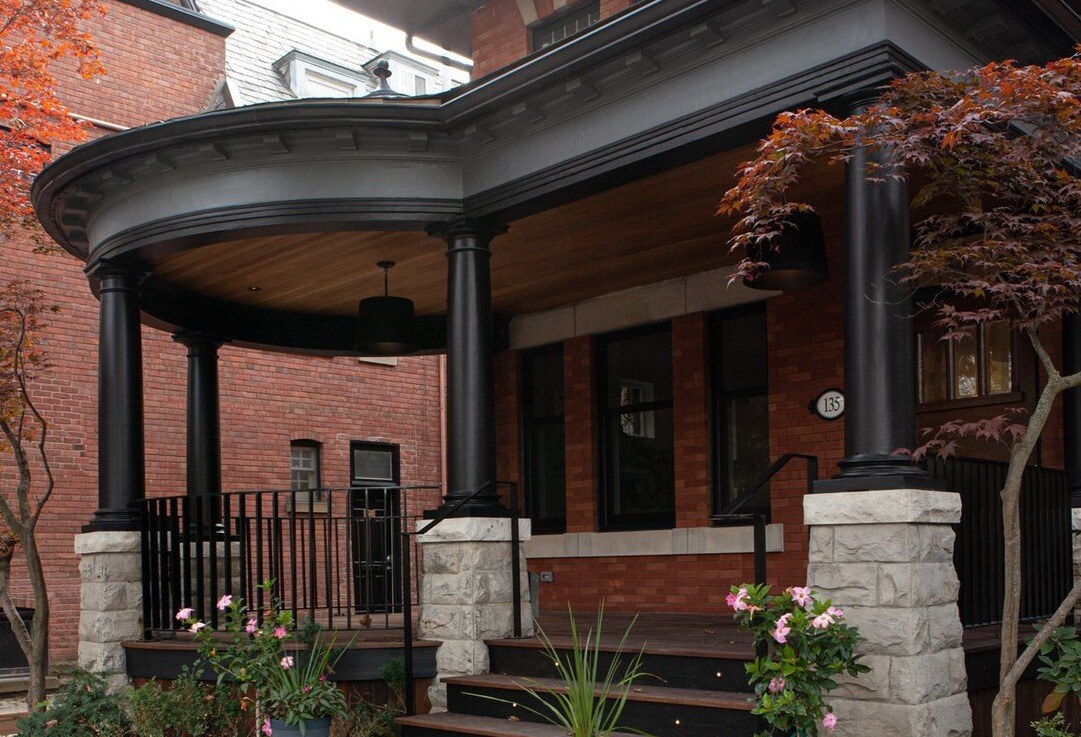
Table of Contents
- Start by Understanding What Kind of Property You Have
- What Actually Changes in a Heritage or Older-Home Renovation
- What Does Not Change
- How SevernWoods Helps Plan Older and Heritage Home Renovations in Toronto
- FAQs about Renovating a Heritage or Older Home in Toronto
- Bring the Right Construction Insight to an Older Toronto Home
Start by Understanding What Kind of Property You Have
Not every old Toronto house is a heritage property. Some homes are simply old. Others are listed on the City’s Heritage Register. Some are individually designated. Some sit within a Heritage Conservation District, where the neighbourhood context is part of what is being conserved.
That distinction matters. A renovation in a Toronto heritage conservation district may involve a different level of review than a renovation to a non-designated century home.
The City of Toronto identifies properties of cultural heritage value through its Heritage Register, and homeowners can search by map or address through the City’s Heritage Register and Heritage Property Search tools.
Once that status is clear, the next step is to understand how the property itself may shape the renovation. Heritage status is only one part of the planning picture. The lot, the existing structure, the visible exterior, the basement, the services, and the homeowner’s goals all need to be considered before design work moves too far.
While planning a renovation strategy for old Toronto homes, SevernWoods typically looks at:
- Heritage Status
- Street-Facing Details
- Corner-Lot Exposure
- Existing Setbacks
- Basement Height and Underpinning Needs
- Mechanical, Electrical, and Plumbing Condition
- Preservation Versus Modernization Goals
- Scope, Budget, and Timeline Alignment
This early review does not answer every question, but it helps identify the questions that matter most. In an older or heritage home, good planning begins by separating what is protected, what is practical, what is possible, and what is likely to drive cost or schedule.
What Actually Changes in a Heritage or Older-Home Renovation
Heritage status and older-home conditions do not limit ambition, but they do require a more disciplined planning process.
SevernWoods begins by understanding the conditions that will shape the renovation before design moves too far: the home’s heritage status, the visible exterior character, the zoning context, the existing structure, and the owner’s priorities.
That level of planning allows a heritage or older-home renovation to be both ambitious and responsible.
The Exterior Becomes More Sensitive
In many heritage settings, the most sensitive part of the house is the portion visible from the street.
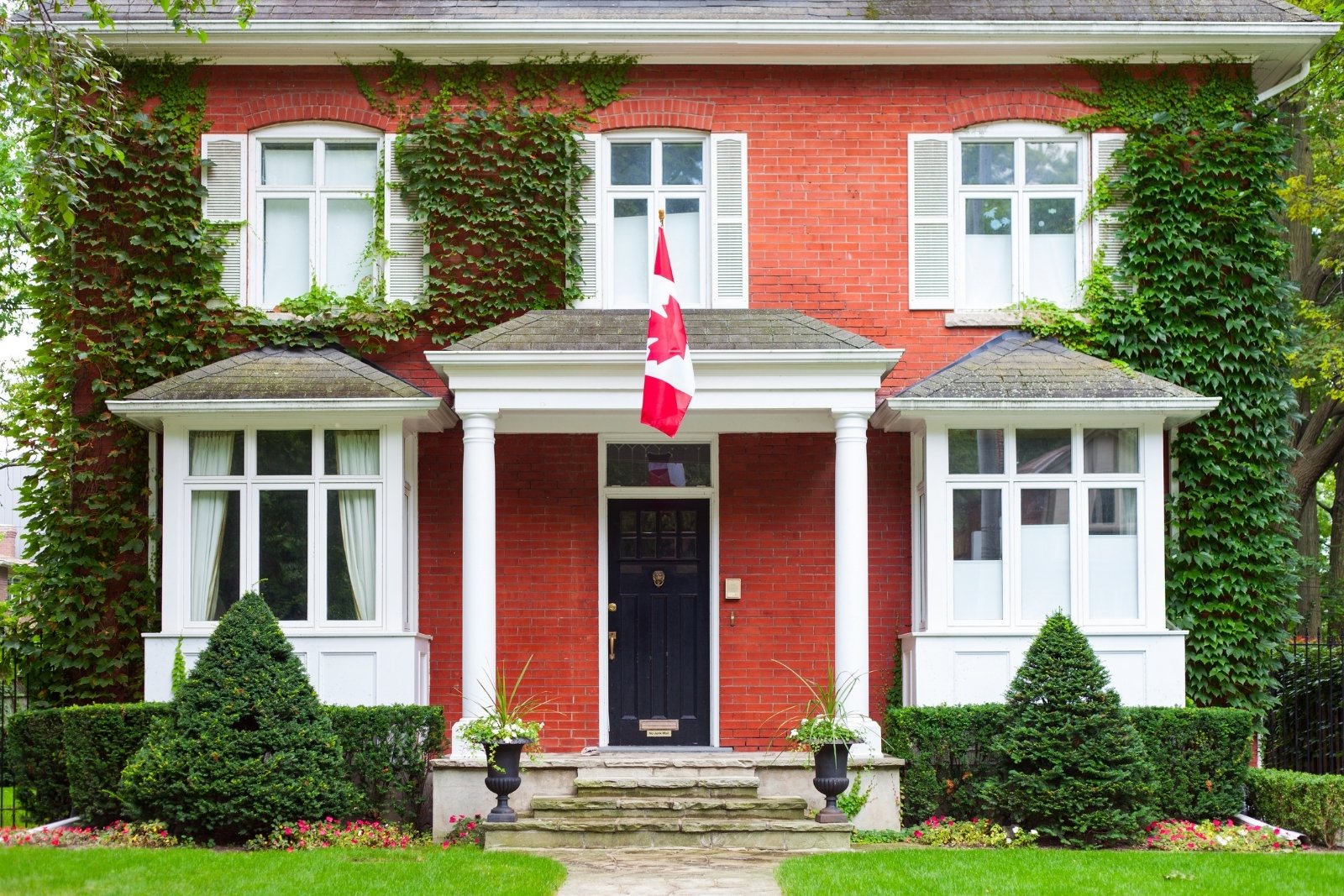
Rosedale is a useful example. Many of its older homes have red or orange brick, with façades, porches, window proportions, and entry details that contribute to the street's character. In that kind of setting, the front of the house often needs to be handled with particular care, while the interior and rear of the home may offer more room for thoughtful change.
A practical rule of thumb is straightforward: when a building is protected under some form of heritage designation, its street-facing aesthetic usually cannot change substantially. Depending on the property, that may include:
- Windows
- Brickwork
- Façade Composition
- Railings
- Porches
- Front Steps
- Entry Details
- Visible Rooflines
- Side Elevations on Corner Lots
The front elevation often needs to be treated with restraint. The brick may need to remain. The window proportions may matter. The porch, railings, and entry sequence may be part of the home’s architectural value. On a corner lot, the side elevation may also be more closely scrutinized because it is visible from the public realm.
A thoughtful Toronto luxury heritage home renovation by SevernWoods works within that reality. We improve how the home supports modern family life without stripping away what gives it value. That may mean preserving the street-facing character, working carefully with original materials, and concentrating the most significant changes where the home can evolve more freely.
The Approval Path Starts Earlier
With older or heritage properties, approvals should influence the design from the beginning.
Proposed alterations or demolitions to buildings or structures within a Heritage Conservation District are submitted through Toronto Building as part of the building permit application, with Heritage Planning reviewing the application through that process. Some heritage alterations may not require a building permit, but they can still require the appropriate heritage review path.
Heritage renovation permits and heritage review in Toronto should not be left until after the design is complete. You need to know what is likely to be accepted before major design decisions become set in stone.
That early work may include heritage review, zoning review, minor variance strategy, committee of adjustment planning, and building permit preparation.
The Renovate, Add, or Rebuild Decision Becomes More Complicated
Many Toronto homeowners assume that if a renovation becomes too extensive, it may be simpler to tear down and rebuild. Sometimes that is true. In established central neighbourhoods, it is often more complicated.
For example, many older homes sit closer to the lot line than current zoning would allow for a new house. If an existing wall is only a foot from the property line, it may be allowed to remain because it already exists. If that wall is demolished, the homeowner may not be permitted to rebuild in the same location. The replacement house may need to be smaller or differently configured.
That can make renovation strategically valuable. Preserving part of the existing structure may preserve a footprint, setback, or condition that would be lost through demolition.
Heritage status can also limit or remove the possibility of demolition. In those cases, the design conversation shifts toward preservation, adaptation, and carefully considered expansion.
When renovating older homes in Toronto, the decision is rarely just “renovate or rebuild.” It is a more layered assessment of the house, the lot, the approvals path, the desired result, and the budget. See our article to learn more about the decision to renovate, add, or rebuild.
The Budget Has Different Pressure Points
Heritage does not automatically make a renovation more expensive. Older-home complexity often does.
If a homeowner wants to dramatically alter the front façade but heritage rules do not allow it, that part of the scope may disappear. In that sense, heritage restrictions can sometimes prevent expensive exterior work. At the same time, specialized repair, historically appropriate materials, custom windows, careful masonry, and additional approval time can all affect cost.
Older homes bring their own budget pressures, even without heritage protection. A Toronto century home renovation may involve basement underpinning, structural repairs, outdated mechanical systems, old wiring, narrow access, masonry work, hidden conditions, or previous renovations that need correction.
SevernWoods is frank about this early. In our first planning conversations, we help homeowners understand if the desired scope and budget are moving in the same direction. A beautiful older home may be well worth the investment, but the investment should be clear before the design advances beyond what the budget can responsibly support. Learn more in our Cost Guide.
The Timeline Needs More Room for Investigation and Approvals
Older and heritage homes benefit from a more patient planning period.
That does not mean the project should drift. It means the early work needs to be disciplined. The team may need time to confirm heritage status, review applicable Toronto heritage conservation district rules, assess zoning, investigate structures, understand existing services, and price the likely scope with reasonable accuracy.
In construction terms, the house may also need more investigation. Older homes can conceal structural issues, obsolete wiring, compromised plumbing, prior water damage, or earlier renovations that were not built to today’s standards. None of these conditions should be treated casually in a high-end renovation.
Good planning gives the project room to discover the right information before construction begins, rather than forcing the most important decisions into the most expensive part of the schedule.
Performance Upgrades Require More Judgement
Many homeowners want the character of an older Toronto home with the comfort and efficiency of a new custom build. That is a reasonable ambition, but it needs careful handling.
It is generally easier to build a highly insulated, airtight, energy-efficient new home than to bring an older home to the same level of performance.
Existing masonry walls, original framing, heritage windows, protected façades, and previous renovations all affect what can be done. In some homes, we can make significant performance improvements through better insulation, air sealing, mechanical upgrades, hydronic systems, or higher-performing windows where permitted. In others, the protected fabric of the house limits the options.
What Does Not Change
The rules may change. The sequencing may change. The level of investigation may change. The purpose of the renovation remains the same: to create a home that works beautifully for the people who live there.
The Home Still Needs to Support Modern Life
A heritage home should not feel like a museum unless the owner wants to live in one.
Most SevernWoods clients are looking for a more comfortable, more functional, more refined version of the home they already value. Those goals remain valid in a heritage or older-home context. The planning simply needs to be more precise.
A thoughtful renovation can respect the house from the street while transforming how it lives inside. That balance is often where the best work happens. See examples in the SevernWoods portfolio.
The Interior Can Often Be Reimagined
In many heritage situations, the interior offers more flexibility than the exterior.
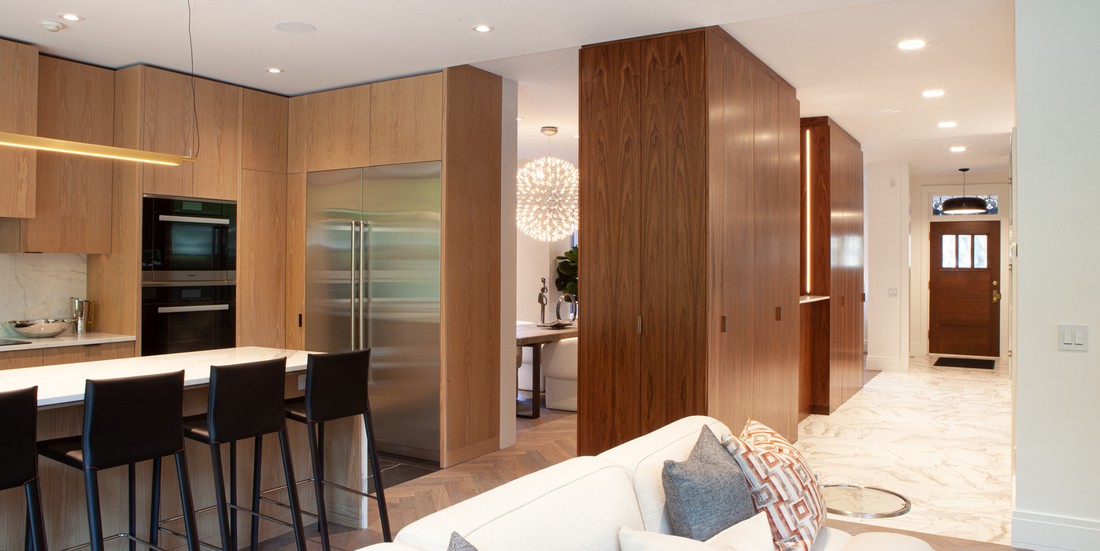
That flexibility can be significant. Interior renovation may include new layouts, new kitchens and bathrooms, updated mechanical systems, improved lighting, better circulation, new millwork, or reworked lower levels.
There are exceptions. Some significant heritage properties may have interior features that deserve preservation, such as staircases, newel posts, railings, wainscotting, paneling, fireplaces, or other original architectural details.
The best approach is not automatic preservation or automatic removal. It is a careful assessment of what has value, what can change, and what will make the home better.
A great example can be seen in this Rosedale home renovation project.
The Rear of the Home Often Offers More Opportunity
In many Toronto heritage and older-home projects, the rear of the house is where the design can open up.
Rear additions can create larger kitchens, family rooms, mudrooms, breakfast areas, or stronger connections to the garden. They may also allow for more contemporary glazing, improved natural light, and a clearer relationship between old and new.
This is especially relevant on Toronto’s narrow lots, where front-facing change may be limited but rear-yard design can still have a meaningful impact. The public face of the house may remain composed and familiar, while the private side of the home becomes more open, functional, and contemporary.
That contrast can be very successful when it is handled with proportion, material discipline, and a clear understanding of the original house.
How SevernWoods Helps Plan Older and Heritage Home Renovations in Toronto
SevernWoods works with homeowners at several stages of planning, whether a project is still taking shape or an architect has already developed the design. We have experience as a contractor for older Toronto home renovations, and we know how to help translate the vision into a practical construction plan, with early attention to approvals, structure, budget, schedule, and site conditions.
Early in the process, we help clarify:
- What heritage or zoning constraints may affect the design
- Which parts of the home are likely to be most sensitive
- Whether renovation, addition, or rebuild is the better path
- Where older-home conditions may affect cost or timeline
- If the desired scope and budget are aligned
We can lead an integrated design-build process or work closely with your architect to bring construction insight, budgeting discipline, trade coordination, and careful site execution to the project. Either way, the goal is the same: to help the home evolve intelligently without losing the character that makes it worth renovating.
FAQs about Renovating a Heritage or Older Home in Toronto
Can I modernize a heritage home without making it feel too contemporary?
Yes. The best approach is usually selective modernization. We look for the areas where the home can change comfortably, often inside or at the rear, while treating the street-facing character with more restraint.
Are heritage renovations harder to manage than regular renovations?
They can be more complex because there are more conditions to coordinate: approvals, existing structure, older materials, protected exterior details, and sometimes more unknowns behind walls. Good planning and documentation make that complexity manageable.
Can SevernWoods work with my existing architect?
Yes. We regularly collaborate with architects, designers, engineers, consultants, and trades. When the design vision is already established, we focus on pricing, planning, construction detail, coordination, and careful execution.
What makes an older Toronto home worth renovating?
The answer is usually a mix of character, location, lot conditions, architectural value, and personal attachment. We help homeowners weigh those qualities against the practical realities of cost, approvals, structure, and timeline before they commit to a direction.
Bring the Right Construction Insight to an Older Toronto Home
Heritage and older-home renovations reward clarity at every stage. The best results come from understanding the house, the lot, the exterior character, the approval path, and the budget, whether the project is still in early planning or the design is already underway.
For SevernWoods, that clarity supports ambition. With the right construction insight, an older Toronto home can be carefully preserved, intelligently expanded, and made far more livable for the way its owners live today.
If you are considering a heritage or older-home renovation in Toronto, or already have drawings in progress, contact SevernWoods to discuss the next step.